
 Tower, Iris Bay - Office 1705 - Al Mustaqbal St - Business Bay - Dubai

The Ultimate Guide to Video Door Phone Systems: Enhancing Modern Security and Convenience
Part 1: Fundamentals, Components, and Key Benefits
Introduction to Modern Access Control
In an era where security and connectivity dominate the architectural landscape of both residential and commercial properties, safeguarding premises has evolved far beyond traditional lock-and-key mechanisms. Among the most innovative advancements in entry security is the Video Door Phone (VDP) system. Serving as the frontline defense for modern properties, a video door phone allows residents and facility managers to visually verify and communicate with visitors before granting access. This seamless blend of visual surveillance and two-way communication transforms how we manage property access, providing unparalleled peace of mind.
As urban environments become denser and smarter, the demand for integrated security infrastructures continues to surge. Companies specializing in elite low-voltage and security installations, such as Dar Al Montazah Technical Services LLC, recognize that a robust entry system is no longer a luxury but an absolute necessity. Whether it is a single-family villa, a luxurious high-rise apartment complex, or a high-security corporate facility, video door phones deliver the visibility required to counter unauthorized intrusions and manage daily visitor traffic efficiently.
How Video Door Phone Systems Work
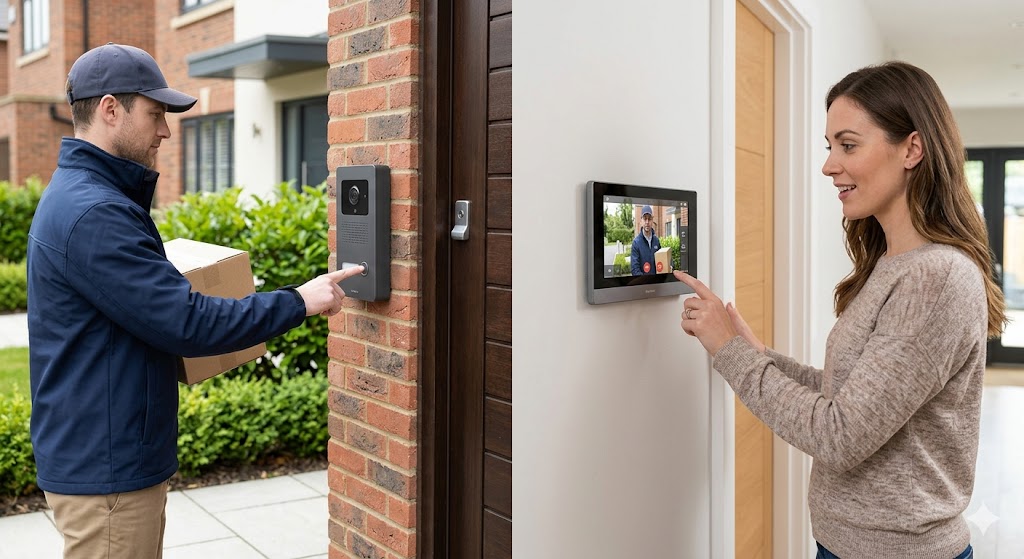
At its core, a video door phone system operates on a straightforward yet highly sophisticated premise: bridging the gap between an external entry point and the internal living or working space. When a visitor approaches the entrance and presses the call button on the outdoor unit, an audio-visual signal is instantly transmitted to one or multiple indoor monitors. The internal occupants can immediately view a high-definition real-time video stream of the visitor, initiate a crisp voice conversation, and, if satisfied with their identity, unlock the door or gate remotely using an integrated electronic release mechanism.
Modern VDP configurations are categorized primarily by their transmission frameworks: analog, digital, and IP-based (Internet Protocol) systems. While traditional analog systems are reliable for straightforward, short-distance residential setups, IP-based systems have revolutionized the market. By transforming audio and video signals into digital data packets transmitted over local network infrastructure or Wi-Fi, IP systems allow for seamless integration with mobile apps, cloud storage, and advanced building management networks.
Essential Components of a VDP System
A comprehensive video door phone setup relies on a synchronized ecosystem of hardware and software elements working in tandem. Understanding these components is critical when designing a custom security solution:
The Outdoor Camera Unit: Installed at the main entry gate or door, this weather-resistant and vandal-proof enclosure houses a high-resolution wide-angle lens, an omnidirectional microphone, a speaker, and tactile call buttons. Advanced models include infrared (IR) LEDs or white light illuminators to ensure sharp nighttime visibility, alongside integrated access control readers like RFID card slots or biometric scanners.
The Indoor Monitor: Mounted inside the property, these sleek interface devices feature vibrant color LCD or LED touchscreens. They allow occupants to view live feeds, adjust audio volumes, review missed call history, and interact with the system’s management interface.
Electronic Door Lock / Release Mechanism: The structural component that completes the security loop. Connected directly to the system control board, electronic strikes, magnetic locks (maglocks), or motorized deadbolts actuate instantly upon receiving an encrypted digital command from the indoor monitor or authenticated mobile app.
Power Supply and Central Controller: The backbone of the installation, providing stable low-voltage power to all operational nodes and managing data routing, ensuring minimal signal latency and peak system uptime.
The Crucial Advantages of Implementing a Video Door Phone
Deploying a professional VDP system offers multifaceted advantages that extend far beyond simply knowing who is standing at the front step. First and foremost is the benefit of elevated physical security. By eliminating the need to physically open a door to verify an identity, occupants eliminate the risk of forced entry or home invasions. This is particularly invaluable for vulnerable demographics, such as children left home alone or the elderly.
Furthermore, contemporary systems boast sophisticated motion-detection capabilities and automated visitor logging. Even if a call button is not pressed, the outdoor camera can detect motion within a designated perimeter, instantly taking a snapshot or recording a short video clip stored locally on an SD card or uploaded to a cloud server. This feature effectively turns the entry system into a continuous, active surveillance camera that collects critical forensic evidence if suspicious behavior occurs around the property edge.
Part 2: Advanced Integration, Selection, and Professional Installation
Advanced Features: The IP and Smart Home Revolution
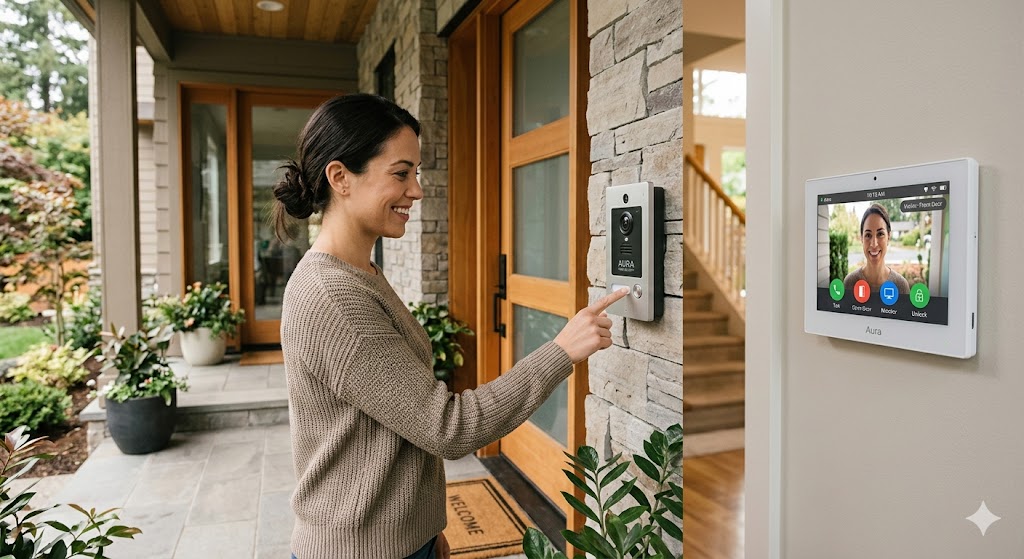
The integration of Internet Protocol (IP) technology has completely transformed video door phone systems into fully dynamic, smart property assets. One of the most groundbreaking features of an IP-based VDP is mobile app connectivity. When a visitor presses the outdoor call button, the system forwards the chime and live video stream directly to the homeowner’s smartphone or tablet, regardless of where they are in the world. Whether you are working at the office, relaxing on vacation, or simply resting in the backyard, you can converse with couriers, verify delivery personnel, and even unlock the gate to let a trusted family member inside.
Moreover, modern video door phones integrate flawlessly into broader smart home ecosystems and comprehensive Building Management Systems (BMS). Through open-source protocols and standardized APIs, a VDP can interact with smart home hubs, lighting controls, and automated blinds. For example, when a visitor rings the bell at night, the system can automatically trigger porch lights to switch on or command internal smart screens to display the camera feed immediately. It can also be linked to an existing closed-circuit television (CCTV) network, allowing the indoor monitor to toggle between the front door camera and property perimeter cameras seamlessly.
Choosing the Right System for Your Property
Selecting the ideal video door phone system requires a meticulous assessment of the specific environment, architectural layouts, and user requirements. For standalone villas, a single-family system with one durable outdoor station and two or three interconnected indoor monitors distributed across different floors typically suffices. For expansive multi-apartment complexes or gated communities, multi-tenant VDP infrastructures are required. These networks utilize digital code directories or electronic touch displays at the main gate, capable of routing calls to hundreds of individual internal apartments through centralized network switches.
Environmental factors also play an integral role in hardware selection. In regions characterized by extreme weather conditions—such as high heat, intense humidity, or blowing sand—it is vital to deploy outdoor units engineered with high Ingress Protection (IP65 or IP66 ratings) and robust IK vandal-resistance certifications. Choosing premium build materials, such as marine-grade stainless steel or brushed aluminum, prevents premature degradation and guarantees consistent performance year after year.
The Importance of Professional Engineering and Installation
While the market features various DIY wireless doorbells, a fully functional, reliable, and secure enterprise or residential video door phone network demands professional engineering. Precision wiring, correct voltage calibration, network security configurations, and seamless physical integration are all complex elements that dictate the long-term success of the security system. Improperly configured wiring can lead to disruptive voltage drops, resulting in intermittent audio dropouts, flickering video feeds, or failure of the electronic locking hardware during critical moments.
Partnering with certified security engineering professionals, such as Dar Al Montazah Technical Services LLC, ensures that every variable is expertly accounted for. Professional installers conduct comprehensive site assessments to identify optimal camera mounting heights and viewing angles, eliminating structural blind spots or glare from direct sunlight. Additionally, professionals properly secure the internal network routing, implementing robust encryption protocols on IP setups to protect the property’s digital infrastructure against potential cyber threats or unauthorized wireless interceptions.
Conclusion
In summary, investing in a high-quality Video Door Phone system is an invaluable step toward establishing an integrated, future-proof security framework for any modern property. By successfully merging crisp audio-visual communication, remote smartphone monitoring, and advanced access control integrations, a VDP effectively bridges the gap between premium convenience and robust physical security. It transforms the simple act of answering the front door into an intelligent, highly controlled operational process.
To maximize the performance, durability, and reliability of your security deployment, rely on seasoned technical experts. For bespoke system design, flawless hardware integration, and comprehensive post-installation technical support tailored to your unique architectural requirements, connect with the professional engineering team at Dar Al Montazah Technical Services LLC to elevate your property’s safety standards today.